What Is Qigong? A Gentle Practice for Energy, Balance, and Well-Being
Qigong is a mind–body practice rooted in Traditional Chinese Medicine, with a history that spans more than 3,000 years. It is not a science in the modern Western sense, but rather a time-honored healing art developed through careful observation of nature, the body, and the rhythms of life.
The word Qigong is made up of two parts:
Qi, meaning vital energy or life force, and gong, meaning work, cultivation, or practice. Together, Qigong means working with your own energy. Rather than forcing the body or striving for performance, Qigong invites awareness, ease, and intentional movement.
Moving Energy Through Gentle Practice
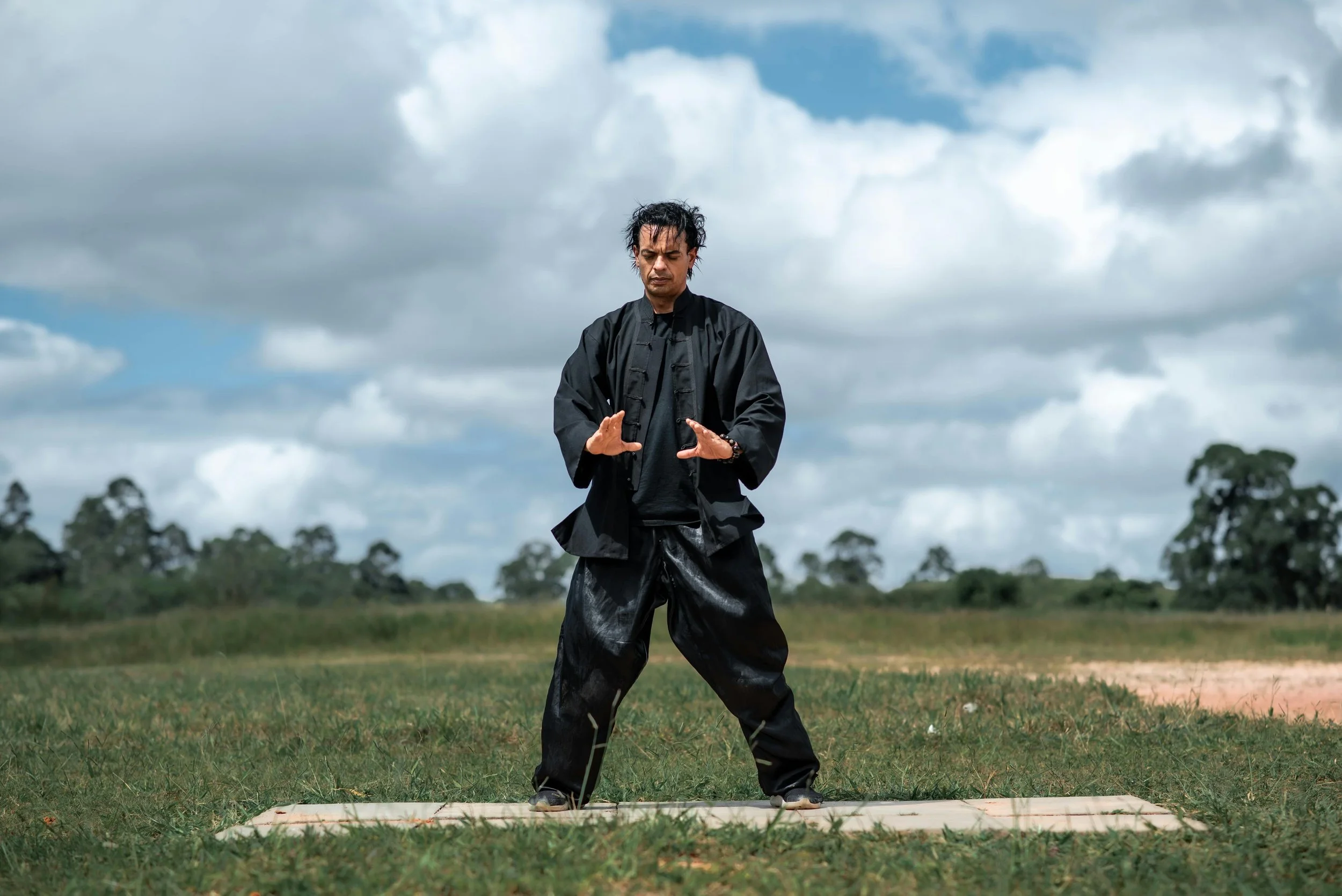
In Qigong, we work with energy through slow, mindful movement coordinated with breath and attention. The movements are gentle and accessible, allowing the body to soften rather than strain. One of the foundational invitations in Qigong is to feel grounded through the feet, rooting into the earth, while simultaneously sensing a subtle lift through the crown of the head.
This balance between rooting and rising supports healthy posture, joint stability, and a feeling of spaciousness in both body and mind. Over time, practitioners often notice that they stand taller, move more smoothly, and carry themselves with greater ease and confidence.
Benefits for Body and Nervous System
People who practice Qigong regularly frequently report:
Improved joint mobility
Increased muscle strength without tension
Better balance while standing and moving
Support for nervous system regulation
One of Qigong’s most valuable qualities is its ability to help down-regulate the nervous system. In simple terms, it helps you slow down. Through gentle repetition and mindful attention, the body receives signals of safety, which can ease stress, calm the mind, and build emotional resilience. Many people describe feeling more centered, clear-headed, and steady in their daily lives.
Following Your Internal Rhythm
Qigong is not about perfect form. It is about listening. The practice invites you to allow your body to move and flow in a way that feels natural, guided by your own internal rhythm. This inward attention helps reconnect movement with breath, sensation, and awareness.
From a traditional perspective, Qigong movements support the internal organs and the flow of energy throughout the body. From a lived experience perspective, many practitioners simply notice that they feel more at home in their bodies and more connected to themselves.
Accessible, Adaptable, and Supportive
One of the greatest strengths of Qigong is its accessibility. You don’t need special equipment or a large space. Most practices are done standing, but Qigong also includes meditation and breathing practices that can be done seated or lying down when needed.
Qigong can meet you exactly where you are—whether you’re seeking gentle movement, stress relief, improved balance, or a deeper sense of well-being. It adapts to different bodies, different seasons of life, and different energy levels.
An Invitation
Qigong offers a quiet yet powerful way to care for yourself—through movement that nourishes rather than depletes, and awareness that supports both body and mind. It is an invitation to slow down, reconnect, and move with intention.
Photo Credits: Herbert Santos.