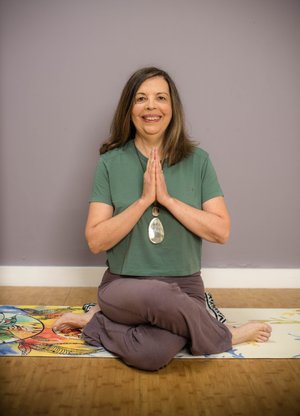
Strong Yet Gentle: Plank & Adho Mukkha Svanasana (Downward-Facing Dog)
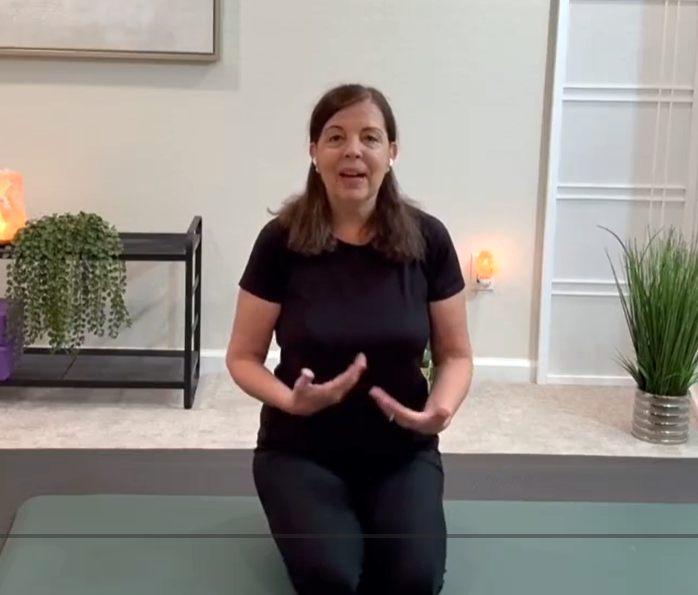
Do you feel intimidated by Plank Pose? Do You Feel Unstable in Downward-Facing Dog?
You’re not alone.
For many practitioners — especially in our Wisdom Years — Plank can feel extremely challenging. The wrists protest. The shoulders grip. The neck tightens. Downward-Facing Dog can feel like too much weight in the hands, too much demand on the upper body.
But what if the issue isn’t strength?
What if it’s organization?
In this practice, we explore Plank Pose and Adho Mukha Svanasana (Downward-Facing Dog) through the lens of supple strength.

Bruce Lee once said, “Be like water.”
Water can flow.
Water can be powerful.
But it never becomes rigid.
That’s the quality we cultivate in the shoulder girdle.
Stability Without Stiffness
The shoulders are the most mobile joints in the body. Because of that mobility, they require intelligent support; especially in weight-bearing poses like Plank and Downward Dog.
Instead of pushing into brute strength, we practice:
• Support without hardening
• Strength without gripping
• Activation without strain
We begin gently by awakening the hands and shoulder blades. You’ll learn to activate the subtle “horseshoe” shape between the thumb and pinkie, building steadiness through the base of the palm. We softly “pounce” in and out of Tabletop, organizing the shoulder blades without collapsing or locking.
From there, I guide you step-by-step into an accessible, well-aligned Plank Pose: one that protects the neck and supports the spine.
Then we transition into a spacious, integrated Downward-Facing Dog, where the whole body participates. The pose becomes less about pushing the floor away and more about lengthening the spine with responsive support.
Why This Matters
As we age, shoulder health becomes essential for:
• Maintaining posture
• Supporting bone health
• Protecting the cervical spine
• Building confidence in everyday weight-bearing
• Preventing the “rounding forward” pattern so common in modern life
These poses, when practiced intelligently, can help us feel capable and steady — not rigid, not collapsed.
Not forced strength.
Not fragility.
But grounded, adaptable resilience.
Like water.
This class is ideal for anyone who feels uncertain in Plank or Downward Dog, and especially supportive for those navigating midlife and beyond who want a joint-friendly, thoughtful approach to strength.
I provide nourishing guidance on your path toward building strength that feels integrated and sustainable: strength that supports you not only on the mat, but in daily life.
This is a 10-minute practice.
If time allows, I encourage you to move through it at least twice. The first round helps you understand the organization, where the hands root, how the shoulder blades glide, how the spine lengthens. The second round allows the nervous system to settle and integrate. That’s when the work becomes more fluid, more intuitive, more like water.
Sometimes repetition is not about doing more, but about sensing more.
If you’d like, press play and follow along with the video, allowing your body to experience the organization and integration directly. Let it be a guided exploration: steady, fluid, and supportive.
Wishing you health, joy, and peace,
Monica